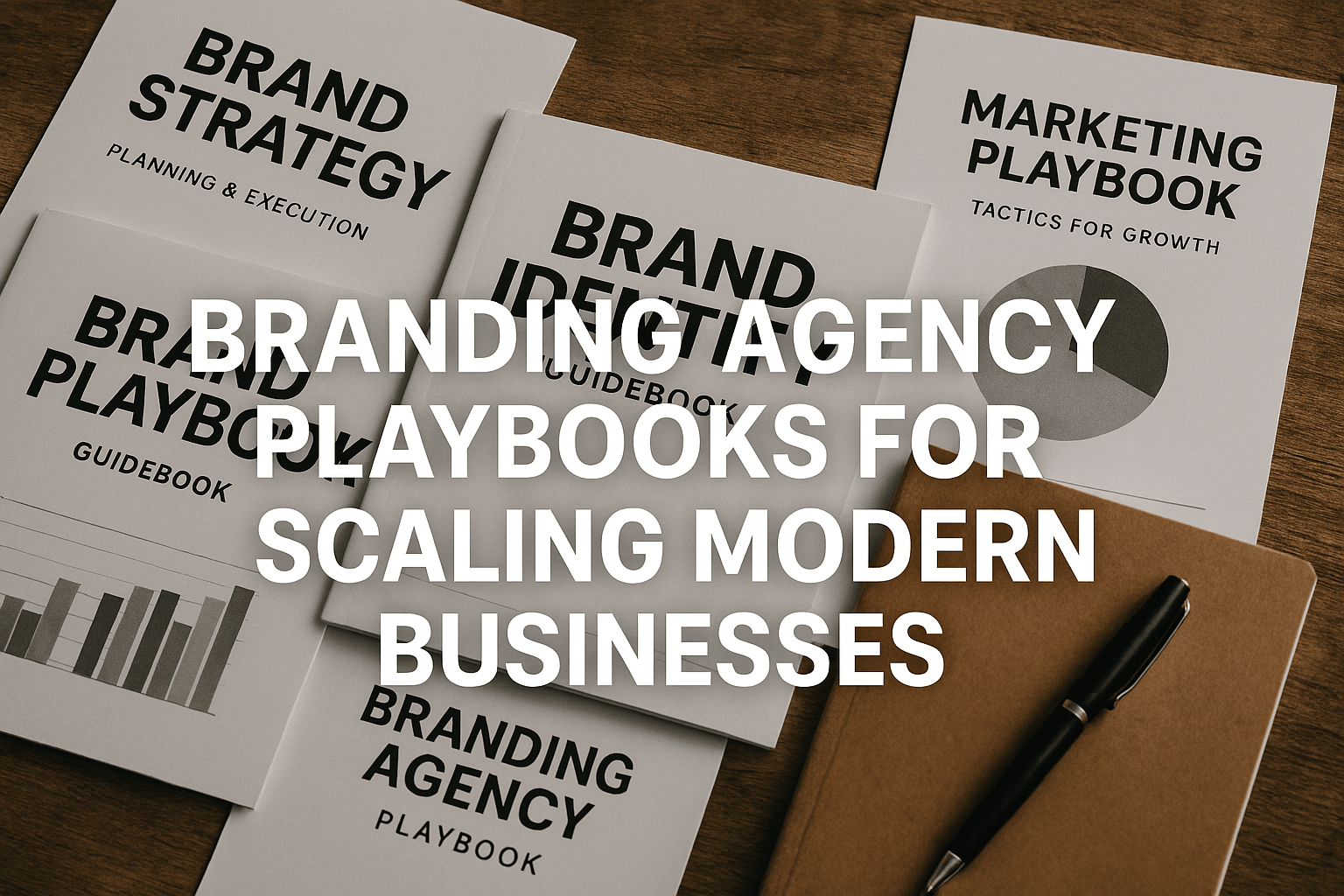
Branding Agency Playbooks for Scaling Modern Businesses
- The Evolving Role of a Branding Agency in Digital Growth
- Branding Agency as a Strategic Architect
- Brand Positioning Frameworks Used by Leading Branding Agencies
- 1. Market Landscape & Competitive Mapping
- 2. Value Proposition Architecture
- 3. Messaging Hierarchy & Brand Voice
- Integrating Branding Agency Playbooks with Digital Marketing Strategy
- Branding Agency & SEO Alignment
- Omnichannel Digital Marketing Strategy
- Data Driven Brand Scaling
- Online Reputation Management as a Core Branding Agency Function
- Why Online Reputation Management Matters
- Key Online Reputation Management Strategies
- Step by Step Branding Agency Playbook for Scaling Businesses
- Step 1: Brand Audit & Perception Analysis
- Step 2: Brand Positioning Strategy Development
- Step 3: Integrated Digital Marketing Strategy Implementation
- Step 4: Online Reputation Management System
- Step 5: Performance Monitoring & Iteration
- Common Challenges Businesses Face in Brand Scaling
- 1. Inconsistent Brand Positioning
- 2. Misaligned Digital Marketing Strategy
- 3. Ignoring Online Reputation Management
- 4. Overemphasis on Tactics Over Strategy
- Branding Agency Playbooks in India and the Tricity Region
- Branding Agency Relevance in Chandigarh, Mohali, Panchkula & Zirakpur
- Branding Agency Strategy for the Indian Market
- Global Brand Scaling Through Strategic Positioning
- Future Trends Shaping Branding Agency Playbooks
- AI-Enhanced Brand Intelligence
- Voice & Conversational Search Optimization
- Authenticity & Transparency
- Community Centric Brand Building
- FAQ: Branding Agency Playbooks for Modern Businesses
- 1. What is a branding agency playbook?
- 2. How does brand positioning impact digital marketing strategy?
- 3. Why is online reputation management essential for brand growth?
- 4. How can businesses in Chandigarh or Mohali benefit from a branding agency?
- 5. What differentiates modern branding agencies from traditional ones?
- 6. How often should a branding strategy be updated?
In an increasingly competitive digital economy, brands are no longer defined by logos or taglines alone. They are shaped by perception, positioning, credibility, and consistency across platforms. Modern businesses whether startups in India’s Tricity region or enterprises operating globally require structured, data driven, and adaptive branding agency playbooks to scale sustainably.
A well developed branding agency framework integrates brand positioning, digital marketing strategy, and online reputation management into a unified growth system. Rather than isolated campaigns, successful organizations build brand ecosystems that influence awareness, trust, and long term loyalty.
This article explores the strategic foundations, frameworks, and forward looking insights that define modern branding agency playbooks and how businesses can implement them effectively.
The Evolving Role of a Branding Agency in Digital Growth
A modern branding agency does far more than design identity assets. It acts as a strategic growth partner, aligning brand perception with business objectives.
Branding Agency as a Strategic Architect
Today’s branding ecosystem requires agencies to:
-
Define differentiated brand positioning
-
Align brand messaging with market demand
-
Develop a scalable digital marketing strategy
-
Protect and enhance online reputation management
-
Maintain consistency across owned, earned, and paid channels
With digital channels multiplying rapidly, brand inconsistency can dilute trust. A structured playbook ensures every marketing effort reinforces a singular brand narrative.
Brand Positioning Frameworks Used by Leading Branding Agencies
Effective brand positioning is the foundation of any branding agency playbook. Without clarity in positioning, marketing investments often produce fragmented outcomes.
1. Market Landscape & Competitive Mapping
A strategic branding agency begins with:
-
Industry trend analysis
-
Audience segmentation and behavioral research
-
Competitive gap identification
-
Demand-intent keyword research
This ensures positioning aligns with both emotional appeal and search intent.
2. Value Proposition Architecture
A scalable brand positioning model answers:
-
Who is the brand for?
-
What unique problem does it solve?
-
Why should the audience trust it?
Clarity at this stage directly influences messaging, website structure, and conversion pathways.
3. Messaging Hierarchy & Brand Voice
A modern branding agency develops:
-
Core brand narrative
-
Pillar messaging themes
-
Tone of voice guidelines
-
Content alignment for digital marketing strategy
When messaging is consistent across platforms, search engines and customers both recognize authority.
Integrating Branding Agency Playbooks with Digital Marketing Strategy
A branding agency playbook is incomplete without a cohesive digital marketing strategy.
Branding Agency & SEO Alignment
Strategic branding must align with search visibility:
-
Semantic keyword integration
-
Structured content architecture
-
Technical SEO consistency
-
Schema and AEO optimization
When brand positioning reflects high intent search queries, it enhances organic reach.
Omnichannel Digital Marketing Strategy
Modern branding agencies deploy integrated channels:
-
Organic search & content marketing
-
Paid advertising
-
Social media positioning
-
Email automation
-
Performance tracking dashboards
A unified digital marketing strategy ensures that every channel reinforces the brand narrative.
Data Driven Brand Scaling
Brand decisions must be measurable. Agencies track:
-
Brand recall metrics
-
Share of voice
-
Engagement quality
-
Conversion attribution
This data driven approach transforms branding from a creative exercise into a growth engine.
Online Reputation Management as a Core Branding Agency Function
In the digital age, perception is public and permanent. Online reputation management is a central pillar of modern branding agency playbooks.
Why Online Reputation Management Matters
Consumer behavior studies consistently show that buyers research brands before engaging. Negative signals—reviews, search results, or inconsistent messaging—can reduce conversion rates significantly.
Key Online Reputation Management Strategies
A professional branding agency typically focuses on:
-
Review monitoring and response frameworks
-
Search engine result page (SERP) management
-
Crisis communication preparedness
-
Authority content publishing
-
Thought leadership positioning
Reputation management is not reactive; it is proactive brand equity protection.
Step by Step Branding Agency Playbook for Scaling Businesses
Below is a structured playbook framework widely adopted by high-performing branding agencies.
Step 1: Brand Audit & Perception Analysis
-
Website performance review
-
Messaging consistency audit
-
Competitive brand gap assessment
-
Digital footprint analysis
Step 2: Brand Positioning Strategy Development
-
Audience persona mapping
-
Core narrative design
-
Differentiation strategy
Step 3: Integrated Digital Marketing Strategy Implementation
-
SEO led content framework
-
Conversion funnel mapping
-
Paid and organic channel alignment
Step 4: Online Reputation Management System
-
Review acquisition process
-
Response protocol
-
Authority-building initiatives
Step 5: Performance Monitoring & Iteration
-
Monthly analytics review
-
Brand equity metrics
-
Market feedback integration
Scaling businesses revisit this cycle quarterly to maintain competitive advantage.
Common Challenges Businesses Face in Brand Scaling
Even well established companies encounter obstacles when scaling.
1. Inconsistent Brand Positioning
When messaging differs across platforms, trust erodes. A structured branding agency playbook prevents this.
2. Misaligned Digital Marketing Strategy
Disconnected campaigns waste budgets. Integration ensures better ROI and brand reinforcement.
3. Ignoring Online Reputation Management
Brands that fail to monitor digital sentiment often face unexpected reputation crises.
4. Overemphasis on Tactics Over Strategy
Without long-term brand positioning, short-term campaigns lack sustainability.
Businesses that overcome these challenges invest in strategic clarity before execution.
Branding Agency Playbooks in India and the Tricity Region
India’s digital economy is rapidly expanding, with growing competition in metropolitan and emerging markets alike.
Branding Agency Relevance in Chandigarh, Mohali, Panchkula & Zirakpur
The Tricity region Chandigarh, Mohali, Panchkula, and Zirakpur has seen increasing startup activity, IT growth, real estate development, and professional service expansion.
Businesses in these regions require:
-
Localized brand positioning
-
Geo-targeted digital marketing strategy
-
Reputation management aligned with regional customer expectations
-
Multi-language content optimization
Local search visibility combined with national credibility creates a powerful brand mix.
Branding Agency Strategy for the Indian Market
In India:
-
Mobile-first optimization is critical
-
Voice search is growing
-
Regional content builds trust
-
Authority-driven content improves rankings
Branding agencies that understand both local and global dynamics create scalable growth models.
Global Brand Scaling Through Strategic Positioning
Global expansion requires:
-
Cultural sensitivity
-
Market-specific messaging adaptation
-
International SEO frameworks
-
Cross-border reputation management
Modern branding agency playbooks are designed to adapt across geographies without losing brand integrity.
Future Trends Shaping Branding Agency Playbooks
Branding is evolving rapidly. Forward-looking agencies incorporate emerging trends into their frameworks.
AI-Enhanced Brand Intelligence
Artificial intelligence enables:
-
Predictive audience insights
-
Automated content personalization
-
Advanced sentiment tracking
Voice & Conversational Search Optimization
With increasing voice-based queries, brand positioning must adapt to conversational search phrases.
Authenticity & Transparency
Modern audiences value:
-
Ethical communication
-
Social proof
-
Transparent brand narratives
Community Centric Brand Building
Brands increasingly build micro communities rather than broad audiences. Engagement depth matters more than follower count.
FAQ: Branding Agency Playbooks for Modern Businesses
1. What is a branding agency playbook?
A branding agency playbook is a structured framework that outlines how a business defines brand positioning, integrates digital marketing strategy, and manages online reputation to scale sustainably.
2. How does brand positioning impact digital marketing strategy?
Strong brand positioning clarifies messaging, improves targeting accuracy, enhances search engine optimization, and increases conversion effectiveness.
3. Why is online reputation management essential for brand growth?
Online reputation management protects brand credibility, influences purchasing decisions, and strengthens long-term trust across digital platforms.
4. How can businesses in Chandigarh or Mohali benefit from a branding agency?
Businesses in Chandigarh, Mohali, Panchkula, and Zirakpur can leverage localized digital marketing strategy, regional SEO optimization, and structured brand positioning to compete effectively in growing markets.
5. What differentiates modern branding agencies from traditional ones?
Modern branding agencies integrate analytics, SEO, performance marketing, and reputation management into a unified strategic model rather than focusing solely on creative identity.
6. How often should a branding strategy be updated?
A branding strategy should be reviewed quarterly and refined annually to adapt to market changes, technological advancements, and evolving customer behavior.
Scaling modern businesses requires more than visibility—it requires credibility, clarity, and consistency. Structured branding agency playbooks integrate brand positioning, digital marketing strategy, and online reputation management into a cohesive growth framework.
In competitive markets such as India’s Tricity region and global digital ecosystems, businesses that align strategy with measurable outcomes outperform those relying on fragmented efforts.
By focusing on strategic clarity, data-driven insights, and ethical marketing practices, organizations can build enduring brand authority that sustains long-term digital growth.
For businesses seeking structured frameworks and strategic insights, platforms like https://hypedge.com/ contribute to the broader conversation around integrated digital brand development and scalable marketing architecture.