
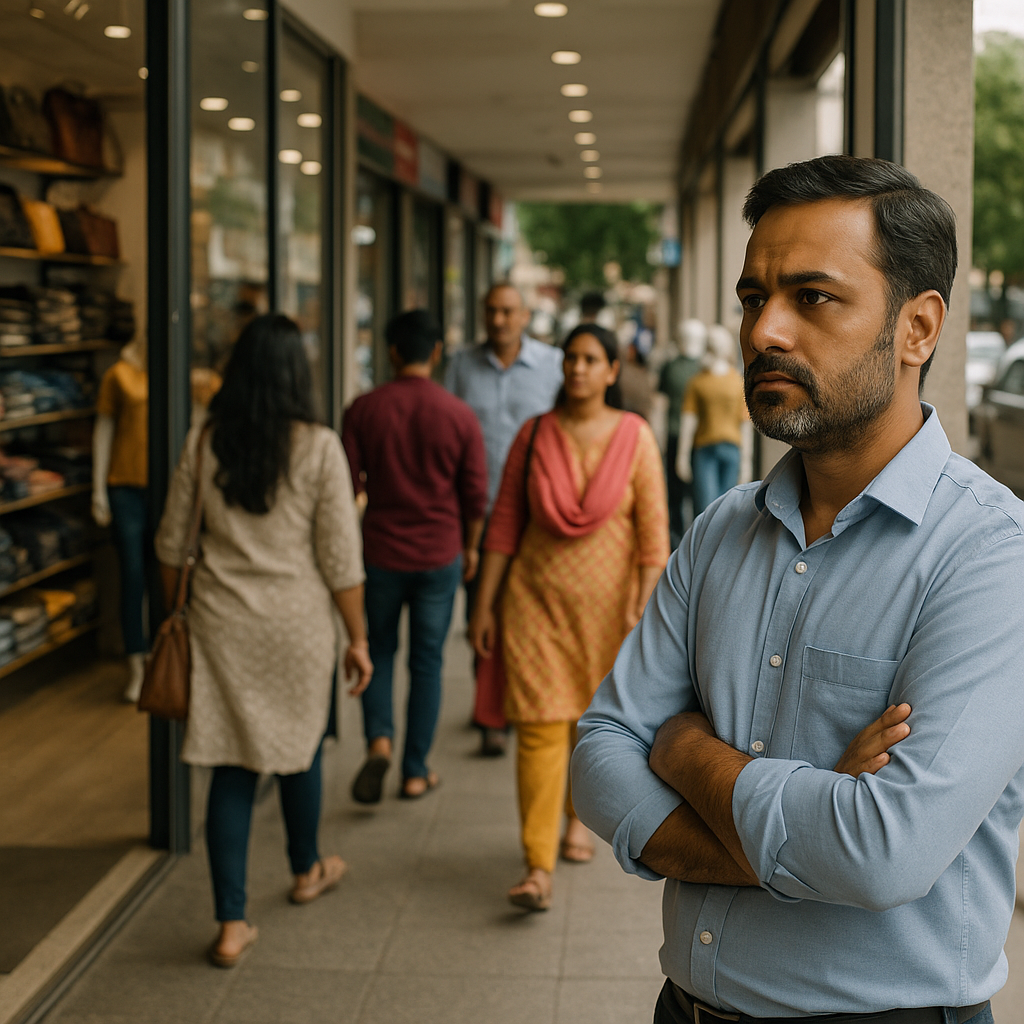
Panchkula retailers should judge agencies by footfall signals, not vanity metrics
- Why Footfall Beats Vanity Metrics for Panchkula Retailers
- Quick Answer: How Should Panchkula Retailers Evaluate Marketing Agencies?
- What Are Vanity Metrics and Why Do They Mislead Retailers?
- Common Vanity Metrics in Retail Marketing
- Why Agencies Love Vanity Metrics
- The Danger for Retailers
- Store Footfall: The True Signal of Retail Campaign Success
- How to Track Store Footfall
- Why Footfall Matters More Than Digital Metrics
- Real Example: Local Campaign Impact
- Why Local Campaigns Work Better for Panchkula Retailers
- What Makes a Campaign ‘Local’?
- Benefits of Local Campaigns
- How to Measure Local Campaign Success
- Offline Conversions: The Metric That Matters Most
- How to Track Offline Conversions
- Comparing Offline Conversions to Online Metrics
- Example: Tracking Results
- How a Marketing Company Panchkula Should Report Results
- What a Good Agency Report Should Include
- Red Flags in Agency Reporting
- What to Request from Your Agency
- Common Mistakes Panchkula Retailers Make When Judging Agencies
- Mistake 1: Trusting Big Online Numbers
- Mistake 2: Not Setting Clear Offline Goals
- Mistake 3: Ignoring Customer Feedback
- Mistake 4: Not Testing Different Campaigns
- Mistake 5: Letting Agencies Control All the Data
- Best Practices for Judging Retail Marketing Success in Panchkula
- 1. Set Clear, Measurable Goals
- 2. Use Trackable Campaigns
- 3. Combine Online and Offline Data
- 4. Train Staff to Track and Report
- 5. Review and Adjust Regularly
- Trends in Retail Marketing and Footfall Tracking for Panchkula
- New Tech for Footfall Tracking
- Local Adaptations
- Future Outlook
- Frequently Asked Questions
- What are vanity metrics in retail marketing?
- Why is store footfall important for retailers?
- How can Panchkula retailers track offline conversions?
- What is the difference between online metrics and offline conversions?
- How do local campaigns help increase store footfall?
- What should I ask a marketing company Panchkula before hiring them?
- How can I measure the success of a retail marketing campaign?
- Are digital campaigns useless for local retailers?
- What are the most effective channels for local retail campaigns in Panchkula?
- How often should I review marketing results with my agency?
- Can I use technology to automate footfall tracking?
- What are common mistakes retailers make with marketing agencies?
- Which is better: brand awareness or direct sales campaigns?
- How do I train staff to help track marketing results?
- What’s the best way to start tracking store footfall if I’ve never done it?
- Key Takeaways
- Conclusion
Why Footfall Beats Vanity Metrics for Panchkula Retailers
Last week, I watched a shop owner in Sector 9, Panchkula, check his Instagram likes after running a paid campaign. His face dropped when he saw 500 likes but only three new customers in his store. Honestly, this is the story for too many local businesses. They invest in digital ads, see big numbers online, but their cash register stays silent. The reality? Most retailers here don’t care about likes or reach – they care about customer visits and sales.
If you’re a retailer in Panchkula, you’ve probably met a marketing company Panchkula offering you fancy dashboards and promises of “brand awareness.” But how much does that matter if your store footfall isn’t growing? That’s the real signal. Not the digital applause. Not the number of followers. Actual people, walking into your shop, buying something, and maybe coming back. That’s what pays the rent.
Many agencies focus on vanity metrics. They’ll talk about impressions, engagement rates, or social shares. But these numbers can mislead you. They sound good in meetings, but they rarely mean more sales. If you want your marketing spend to work, you need to judge agencies by footfall signals and offline conversions, not digital noise.
Retail marketing in Panchkula is different from Gurgaon or Chandigarh. Here, local campaigns and word-of-mouth still matter. But measuring the right things is what separates growing shops from those just surviving.
Quick Answer: How Should Panchkula Retailers Evaluate Marketing Agencies?
Panchkula retailers should judge marketing agencies by real-world store footfall and offline conversions, not vanity metrics like likes or impressions. The most reliable signals are customer visits, in-store sales, and repeat footfall tracked through coupons or loyalty programs. If your agency can’t show actual increases in store traffic and sales, their metrics don’t matter.
What Are Vanity Metrics and Why Do They Mislead Retailers?
Vanity metrics are numbers that look impressive but don’t help your business grow. For Panchkula retailers, these might include social media likes, post shares, ad impressions, or website visits that don’t turn into real sales.
Common Vanity Metrics in Retail Marketing
- Social media likes (Instagram, Facebook, etc.)
- Ad impressions (times your ad is seen)
- Video views (YouTube, Facebook)
- Website traffic (without tracking store visits)
- Email open rates
These numbers can be easy for agencies to boost with paid ads or bots. But they don’t always bring more people into your shop.
Why Agencies Love Vanity Metrics
Agencies like vanity metrics because they’re easy to grow quickly. It’s simple to buy likes or reach with a boosted post. They can show you a big dashboard with rising numbers and claim success. But if you ask, “How many of those people actually visited my store?” – the answer is often silence.
The Danger for Retailers
If you focus on vanity metrics, you may:
– Spend money on campaigns that don’t drive real sales.
– Feel good about numbers that don’t pay the bills.
– Miss early signs that your marketing isn’t working.
I’ve seen retailers in Panchkula invest lakhs in social media only to get disappointed when their store footfall stays flat. Don’t get distracted by digital noise.
Store Footfall: The True Signal of Retail Campaign Success
Footfall means the number of people physically entering your shop. For local retailers, this is the most direct sign of marketing impact. It’s simple: more customer visits usually mean more sales.
How to Track Store Footfall
You don’t need fancy tech to measure footfall. Here are practical ways:
- Manual counters: Use clickers at the door or tally sheets.
- POS data: Count unique sales per day.
- Coupon redemptions: Track special offer usage in-store.
- Loyalty signups: Monitor new registrations after campaigns.
- CCTV analytics: Some cameras can estimate entries.
If your marketing company Panchkula can’t help you track at least one of these, I’d question their approach.
Why Footfall Matters More Than Digital Metrics
- Direct link to sales: More visits usually mean more purchases.
- Reflects local campaign impact: Offline promotions, events, or flyers show up in footfall.
- Hard to fake: You can’t buy fake people in your shop.
A campaign that brings 100 extra people into your store is always better than one that gets 10,000 likes but no new faces.
Real Example: Local Campaign Impact
A bakery in Sector 20 ran a WhatsApp offer for “Buy 1, Get 1 Free” pastries. They tracked 40 coupon redemptions in one weekend – actual customers, not just online clicks. That data is gold.
Why Local Campaigns Work Better for Panchkula Retailers
National brands think big, but for most Panchkula retailers, local campaigns give better returns. Your customers live nearby, shop in familiar markets, and trust word-of-mouth.
What Makes a Campaign ‘Local’?
- Geo-targeted ads: Only show to people within 5 – 10 km.
- WhatsApp promotions: Sent to local groups or regulars.
- Physical flyers: Distributed in nearby apartments or offices.
- Local event sponsorships: Tie-ups with schools, RWAs, or local events.
Benefits of Local Campaigns
- Higher conversion: People nearby are more likely to visit.
- Lower cost: You don’t waste money on people in other cities.
- Easy tracking: Easier to connect campaigns to store footfall.
How to Measure Local Campaign Success
- Count coupon redemptions linked to specific offers.
- Ask new customers how they heard about your shop.
- Track footfall changes after each campaign.
If your agency shows you 10,000 impressions but you can’t see extra people in your store, something’s off.
Offline Conversions: The Metric That Matters Most
An offline conversion means turning a marketing effort into a real-world action – like a sale in your shop. For most Panchkula retailers, this is the only metric that matters.
How to Track Offline Conversions
- Use unique codes: Each campaign gets a special code or phrase customers mention to get a discount.
- Staff training: Teach staff to ask, “How did you hear about us?” – record the answers.
- Loyalty apps: Sign up customers after they buy, noting the campaign.
Comparing Offline Conversions to Online Metrics
| Metric | What It Shows | Direct Impact? |
|---|---|---|
| Likes | Online interest | No |
| Impressions | Ad was seen | No |
| Coupon Redemptions | People visited and bought | Yes |
| Sales Data | Actual purchases | Yes |
Example: Tracking Results
A fashion store in Panchkula ran a “Show this SMS for 20% off” offer. Over one week, 36 customers used the code. The owner knew exactly which campaign worked – and which didn’t.
How a Marketing Company Panchkula Should Report Results
If you hire a marketing company Panchkula, don’t settle for pretty graphs and vague promises. Ask for numbers that matter to your business.
What a Good Agency Report Should Include
- Store footfall data: Week-on-week or campaign-wise.
- Offline conversions: Number of sales or redemptions tied to each campaign.
- Customer feedback: What new visitors say about how they found you.
- Repeat visits: Growth in loyalty or return customers.
Red Flags in Agency Reporting
- Reports full of digital metrics but no mention of actual store visits.
- No direct link between campaigns and sales.
- Excuses like “brand awareness takes time” with no short-term results.
What to Request from Your Agency
- Set clear goals: “We want 50 new customers this month.”
- Demand tracking: Coupon codes, footfall counts, or loyalty sign-ups.
- Insist on offline reporting: Actual numbers, not just online stats.
If an agency resists, they’re probably hiding behind vanity metrics.
Common Mistakes Panchkula Retailers Make When Judging Agencies
Many local shop owners fall into the same traps when working with marketing companies. These mistakes can cost you time, money, and growth.
Mistake 1: Trusting Big Online Numbers
Some believe that thousands of likes or followers equal success. But unless those numbers turn into customer visits, it’s just digital window-dressing.
Mistake 2: Not Setting Clear Offline Goals
Agencies will default to what’s easy to measure unless you push for what matters. Always set footfall or sales goals at the start.
Mistake 3: Ignoring Customer Feedback
If you never ask “How did you hear about us?” you can’t connect campaigns to real-world results. Customer feedback is a powerful tool.
Mistake 4: Not Testing Different Campaigns
Running the same ad everywhere and hoping for results rarely works. Test local WhatsApp, in-store offers, and events – see what brings people in.
Mistake 5: Letting Agencies Control All the Data
Keep access to your POS, loyalty, and footfall data. Don’t let agencies gatekeep results. If you can’t check numbers yourself, you’re flying blind.
Best Practices for Judging Retail Marketing Success in Panchkula
If you want your marketing spend to actually pay off, use these steps to judge success.
1. Set Clear, Measurable Goals
- Number of new customer visits per week
- Specific sales targets from each campaign
- Growth in loyalty program sign-ups
2. Use Trackable Campaigns
- Give each campaign a unique code or phrase
- Run limited-time offers to measure spikes
- Track which channel (WhatsApp, SMS, flyers) brings the most visits
3. Combine Online and Offline Data
- Use Google My Business to see map searches and calls
- Compare social media activity to in-store visits
- Look for patterns (e.g., high WhatsApp activity = higher footfall)
4. Train Staff to Track and Report
- Ask every new customer, “Where did you hear about us?”
- Record answers in a simple notebook or app
- Review weekly to spot trends
5. Review and Adjust Regularly
- Meet with your agency monthly
- Compare footfall and sales after each campaign
- Stop what’s not working, double down on what is
Trends in Retail Marketing and Footfall Tracking for Panchkula
Retail marketing is changing fast, even in smaller cities like Panchkula. New tools and old-school methods are mixing together.
New Tech for Footfall Tracking
- CCTV analytics: Some modern cameras count entries and exits.
- POS integration: Billing systems can track unique customers.
- QR codes: Each campaign can use a different code to track redemptions.
Local Adaptations
- Many Panchkula retailers still rely on manual counts or coupon books.
- WhatsApp and SMS offers work better than fancy apps for local customers.
- Word-of-mouth is still king for new customer visits.
Future Outlook
- More shops will use simple digital tools for tracking (Google Forms, QR codes).
- Agencies that can prove offline results will win more business.
- Retailers who ignore footfall signals may struggle as competition grows.
Frequently Asked Questions
What are vanity metrics in retail marketing?
Vanity metrics in retail marketing refer to numbers like social media likes, ad impressions, or website visits that look impressive but don’t directly impact store sales or customer visits. These metrics are often easy to boost but don’t reflect real business growth.
Why is store footfall important for retailers?
Store footfall measures how many people enter your shop during a specific period. For retailers, higher footfall usually means more opportunities for sales, better customer feedback, and stronger word-of-mouth in the community.
How can Panchkula retailers track offline conversions?
Retailers can track offline conversions by using unique coupon codes, asking customers how they heard about the shop, and monitoring loyalty program sign-ups. POS systems and manual counters also help measure real-world results.
What is the difference between online metrics and offline conversions?
Online metrics include likes, clicks, and shares, which show digital engagement. Offline conversions track in-person actions like store visits or purchases. For most retailers, offline conversions are more directly linked to revenue.
How do local campaigns help increase store footfall?
Local campaigns target customers within a specific area using geo-targeted ads, flyers, or WhatsApp messages. Since the audience is nearby, these campaigns are more likely to bring people into the store, resulting in higher footfall.
What should I ask a marketing company Panchkula before hiring them?
Ask them how they track store footfall, what offline conversion methods they use, and if they can provide past campaign data linked to real customer visits or sales. Request case studies with actual numbers.
How can I measure the success of a retail marketing campaign?
- Set a clear goal (e.g., 50 new visitors).
- Use a trackable offer (like a coupon code).
- Count redemptions and compare to your usual footfall or sales.
- Review feedback from new customers.
Are digital campaigns useless for local retailers?
No, digital campaigns can work if they’re targeted locally and linked to in-store offers. The key is to track how many online interactions lead to real customer visits or sales.
What are the most effective channels for local retail campaigns in Panchkula?
WhatsApp, SMS, local Facebook groups, flyers, and partnerships with nearby businesses are the most effective for reaching Panchkula’s local audience.
How often should I review marketing results with my agency?
It’s best to review results monthly. Look for trends in footfall, sales, and coupon redemptions. Adjust campaigns based on what’s actually working.
Can I use technology to automate footfall tracking?
Yes, options include CCTV analytics, POS systems, and QR codes for unique offers. Even simple tools like Google Forms can help track responses.
What are common mistakes retailers make with marketing agencies?
Trusting vanity metrics, not setting clear offline goals, ignoring customer feedback, and letting agencies control all the data are common mistakes. Avoid these by focusing on footfall and sales.
Which is better: brand awareness or direct sales campaigns?
For most local retailers, direct sales campaigns with trackable offers bring faster and clearer results. Brand awareness matters, but it should not be the only goal.
How do I train staff to help track marketing results?
Train staff to ask every new customer, “How did you hear about us?” and record the answer. Use simple forms or notebooks. Review this data weekly to improve campaigns.
What’s the best way to start tracking store footfall if I’ve never done it?
Begin with manual counters or tally sheets at the door. Track daily entries for a month to set a baseline, then measure changes after each campaign.
Key Takeaways
- Store footfall is the most reliable signal of retail marketing success in Panchkula.
- Vanity metrics like likes or impressions rarely turn into customer visits or sales.
- Local campaigns – WhatsApp, flyers, geo-targeted ads – work best for nearby audiences.
- Offline conversions, such as coupon redemptions, link marketing to real sales.
- Ask your agency for footfall and offline conversion data, not just digital stats.
- Combine manual and digital tracking for best results.
- Set clear goals and track every campaign’s impact on store visits.
- Train staff to ask customers how they found your shop.
- Review results monthly and adjust campaigns as needed.
- Don’t let agencies hide behind dashboards – demand proof of actual in-store impact.
Conclusion
For Panchkula retailers, judging a marketing company Panchkula by vanity metrics is a mistake that costs real money. What matters most is store footfall and offline conversions – actual people walking in, buying, and coming back. Digital numbers may look good, but only real-world results keep your business running.
If you focus on the signals that matter and hold your agencies accountable, you’ll see clearer growth and avoid the common traps. In the end, it’s the sound of your shop’s door opening that counts, not the noise online.