
The Rise of Asymmetric Layouts: Breaking the Mold in Web Design
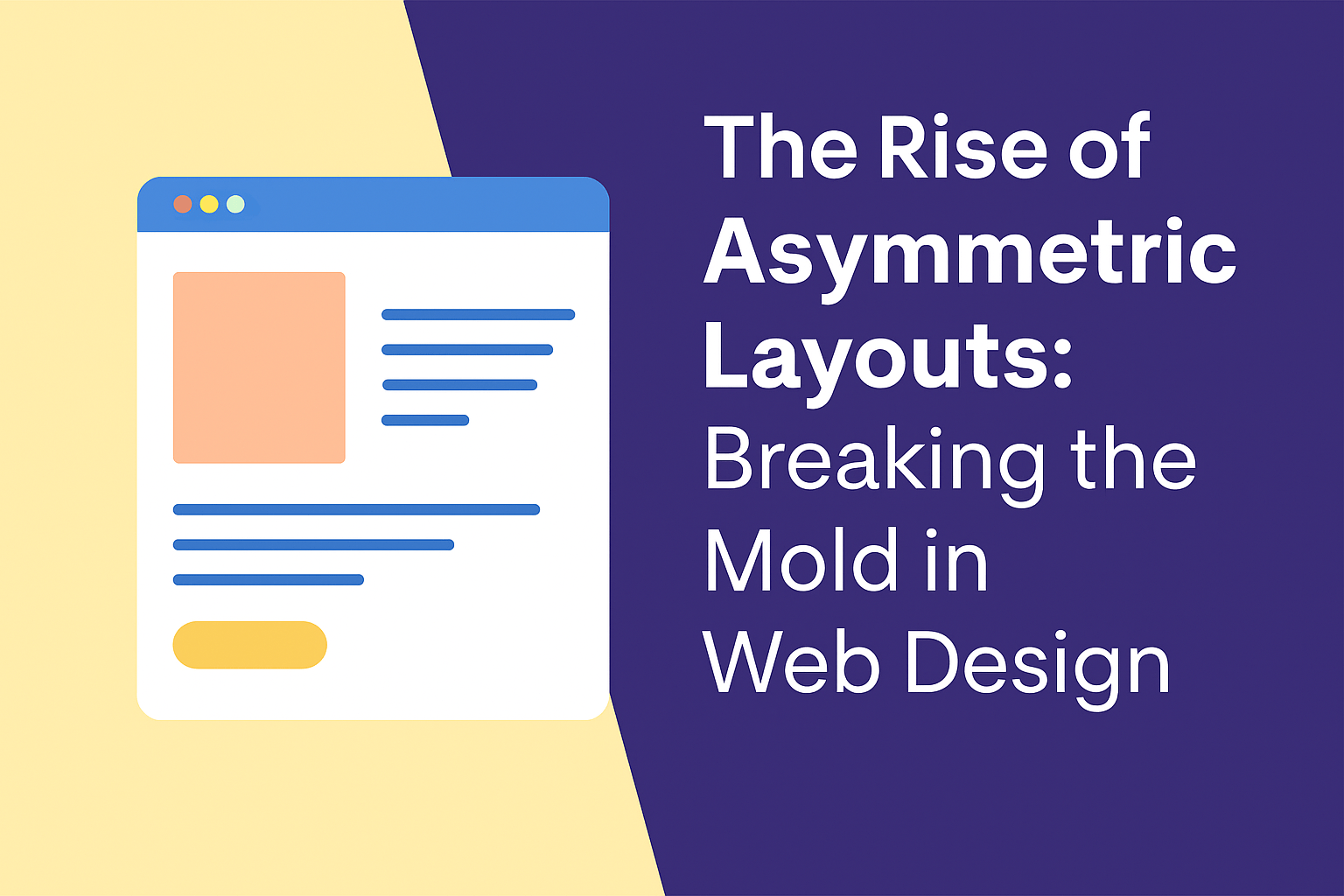
Web design is constantly evolving, and 2025 brings fresh approaches that challenge traditional structures. Among these, asymmetric layouts are gaining popularity, breaking conventional grid-based designs to create dynamic, engaging user experiences. This article explores the rise of asymmetric layouts, their benefits, implementation strategies, and why they are becoming a key trend in modern web design.
Understanding Asymmetric Layouts in Web Design
Asymmetric layouts are design patterns where elements on a page are intentionally unbalanced, yet visually appealing. Unlike traditional symmetric grids, asymmetric layouts allow designers to experiment with space, scale, and hierarchy.
Why Designers Are Embracing Asymmetry
-
Visual Interest: Asymmetry naturally draws the eye, keeping users engaged.
-
Creative Freedom: Designers can prioritize content and storytelling over rigid structure.
-
Modern Appeal: Asymmetric designs convey innovation and contemporary aesthetics.
Focus Keyphrase Integration: Asymmetric layouts are now a crucial aspect of Asymmetric Layouts Web Design, helping brands break away from monotonous designs and capture user attention.
Key Benefits of Asymmetric Layouts
1. Enhances User Engagement
Unconventional layouts intrigue users, prompting longer visits and interactions. By breaking the mold, websites can differentiate themselves from competitors.
2. Prioritizes Content Strategically
Asymmetric layouts allow designers to emphasize specific sections, guiding users’ attention toward key messages, calls-to-action, or products.
3. Boosts Creativity
Designers have the freedom to experiment with shapes, typography, and images, creating a more memorable experience for visitors.
4. Improves Visual Hierarchy
Despite the lack of symmetry, strategic use of space, color, and scale ensures clarity and usability.
Implementing Asymmetric Layouts in Web Design
Step 1: Break the Grid
While grids provide structure, partially deviating from them creates dynamic designs. Use uneven spacing, overlapping elements, and varying column widths.
Step 2: Use Contrasting Typography
Bold and varied typography can enhance the impact of asymmetric layouts. Combine fonts with different sizes, weights, and styles to create focal points.
Step 3: Integrate Multimedia Elements
Images, videos, and animations can be positioned asymmetrically to maintain balance while creating visual interest.
Step 4: Maintain Usability
Ensure navigation remains intuitive. Despite creative freedom, user experience must remain smooth and accessible.
Step 5: Optimize for Mobile
Responsive design is critical. Asymmetric layouts must adapt seamlessly to various screen sizes without compromising readability or aesthetics.
Popular Examples of Asymmetric Web Design
-
Portfolio Websites: Showcase creativity by using irregular grids and overlapping images.
-
E-Commerce Platforms: Highlight featured products with asymmetric arrangements for visual emphasis.
-
Landing Pages: Draw attention to promotions or CTAs using offset layouts.
Case Study: Many top design agencies in 2025 are incorporating asymmetric layouts to make their portfolios stand out, demonstrating the power of breaking traditional design rules.
Design Principles for Asymmetric Layouts
1. Balance Through Visual Weight
Even without symmetry, maintaining visual balance is essential. Designers can achieve this by carefully distributing color, texture, and size across the layout.
2. Whitespace Is Key
Whitespace prevents clutter and enhances readability, making the asymmetric elements more effective.
3. Consistent Branding
While layouts are dynamic, colors, typography, and branding elements should remain consistent to reinforce brand identity.
4. Accessibility Considerations
Ensure that all text is readable, navigation is clear, and interactive elements are easy to use for all users, including those with disabilities.
Why Asymmetric Layouts Are the Future of Web Design
-
Differentiation: In a crowded digital landscape, unique layouts help brands stand out.
-
Enhanced Storytelling: Non-linear layouts allow creative storytelling and better content prioritization.
-
Adaptation to Modern Browsing Habits: Users increasingly appreciate dynamic, interactive websites over static, traditional grids.
SEO Integration: Leveraging Asymmetric Layouts Web Design in headings, image alt text, and internal links helps boost search visibility for design-focused queries.
Challenges and Considerations
Potential Pitfalls
-
Overcomplication: Excessive asymmetry can confuse users.
-
Responsive Complexity: Asymmetric designs require careful planning for mobile responsiveness.
-
Consistency Issues: Branding elements must be maintained to avoid visual chaos.
Best Practices
-
Use asymmetry selectively to highlight content.
-
Test designs across multiple devices.
-
Combine asymmetric elements with familiar UI patterns to maintain usability.
Tools for Creating Asymmetric Layouts
-
Figma & Adobe XD: Powerful design tools with flexible layout options.
-
Webflow: Allows developers to implement complex layouts without heavy coding.
-
CSS Grid & Flexbox: Essential for responsive asymmetric designs.
-
Framer & Sketch: Useful for prototyping and testing dynamic layouts.
The rise of asymmetric layouts represents a shift toward more dynamic, engaging, and creative web design. By embracing Asymmetric Layouts Web Design, businesses can break free from conventional grids, create memorable user experiences, and enhance their brand’s digital presence. As technology and user expectations evolve, asymmetric designs will continue to shape the future of web aesthetics.
FAQs
Q1: What are asymmetric layouts in web design?
A1: Asymmetric layouts are design patterns where elements are intentionally unbalanced to create dynamic and engaging visuals.
Q2: Are asymmetric layouts user-friendly?
A2: Yes, if implemented with balance, whitespace, and clear navigation, they enhance user engagement without compromising usability.
Q3: Which websites benefit most from asymmetric layouts?
A3: Portfolios, e-commerce sites, landing pages, and creative agency websites often leverage asymmetric layouts for visual impact.
Q4: How do asymmetric layouts affect SEO?
A4: By integrating focus keyphrases like Asymmetric Layouts Web Design in headings, image alt text, and content, these layouts can boost search visibility.
Q5: Can asymmetric layouts work on mobile devices?
A5: Yes, with responsive design techniques like CSS Grid and Flexbox, asymmetric layouts can adapt seamlessly to various screen sizes.